01 · Education
Psychology knowledge creators
Explain concepts, research findings, and everyday observations with clear sourcing.
 Blubo AI
Psychology knowledge · education and personal growth
Structure public knowledge, everyday examples, narration, and subtitles without turning general education into individual assessment or professional advice.
Platform names are descriptive only and do not imply partnership, endorsement, certification, or privileged access.
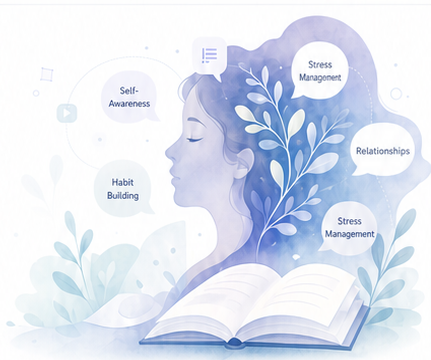
Who it is for
The page supports educational content only and does not make judgments or recommendations for individuals.
01 · EducationExplain concepts, research findings, and everyday observations with clear sourcing.
 02 · Communication
Use neutral scenes to discuss listening, expression, and boundaries.
 03 · Learning
Turn public knowledge into class supplements, reading notes, and learning shorts.
 04 · Growth
Build non-labeling content around self-awareness and daily reflection.
Five-step workflow
Keep source checks, sensitive-language review, and human approval at every step.
 STEP 01
Enter a public knowledge topic, audience, sources, and explicit content boundary.
 STEP 02
Separate concepts, examples, limitations, and disclaimers without labeling viewers.
 STEP 03
Use neutral everyday communication scenes and never simulate clinical or counseling settings.
 STEP 04
Use calm, accurate narration and subtitles, then verify sources and wording.
 STEP 05
Prepare format variants and complete platform and content-boundary checks before publishing.
Scenes and storyboard
Five beats separate explanation, observation, communication perspective, and limits.
This page supports knowledge education, emotional literacy, relationship communication, self-awareness, and personal-growth content creation only. It does not provide treatment, counseling, diagnosis, medical advice, or a substitute for mental-health services.
Examples and visuals illustrate the workflow and art direction only. Actual output depends on source material, model settings, human review, and current platform rules; BluboAI does not guarantee platform recommendation, views, follower growth, conversion, approval, or publishing results.
Content directions
Use reliable sources and avoid applying general information as a conclusion about a specific person.

Explain emotion vocabulary, common responses, and recognition without symptom judgments.

Discuss listening, expression, boundaries, and misunderstanding through neutral scenes.

Share reflection questions and habit observations without individual advice.
FAQ
No. It may explain public concepts, but interactions and generated results must not be presented as a professional assessment.
Use qualified language, distinguish education from individual judgment, and avoid promises of change.
Yes. Check source quality, scope, date, and original context, and do not turn correlation into causation.
No. It supports knowledge-content creation only and cannot provide personal assessment, advice, or mental-health services.
Content concept demo
Submit only public, non-sensitive direction so the team can assess structure, scenes, and compliant wording. A request does not guarantee acceptance, delivery, or a fixed result.